

The Art of Playing Slowly in a Fast Game: The Hidden Skill That Separates Good Players from Great Ones
The Art of Playing Slowly in a Fast Game: The Hidden Skill That Separates Good Players from Great Ones
Soccer is fast. The pressure is fast. The decisions are fast. The mistakes are fast.
But the players who rise above the chaos — the ones who look like they have time when everyone else is rushing — aren’t actually faster.
They’re calmer.
They’ve mastered the art of playing slowly in a fast game.
This skill isn’t physical. It’s mental. And once a player learns it, their entire game transforms.
1. The Game Isn’t Actually Fast — Your Mind Is
Most players think the game is fast because their mind is fast.
They panic. They rush. They react instead of reading. They play from fear instead of clarity.
But elite players do something different:
They slow down internally so they can speed up externally.
Their body moves quickly, but their mind stays still. That stillness is what creates better decisions, better touches, and better confidence.

2. Cognitive Speed Beats Physical Speed
A player who thinks clearly will always beat a player who only moves quickly.
This is why the smartest midfielders look like they’re playing in slow motion. They’re not faster — they’re earlier.
They see the picture before others do. They anticipate instead of react. They move into space before it becomes space.
Cognitive speed is the real advantage. And it’s trained, not gifted.

3. The Neuroscience Behind “Slowing the Game Down”
When a player feels pressure, the brain shifts into survival mode. Heart rate rises. Vision narrows. Decision-making becomes reactive.
This is why players panic under pressure — their brain is trying to protect them, not help them.
But when a player trains calmness, something powerful happens:
- The prefrontal cortex stays active
- Vision widens
- Decisions become deliberate
- Movement becomes smoother
- Mistakes decrease
This is why calm players look like they have more time. They’re not escaping pressure — they’re managing it.
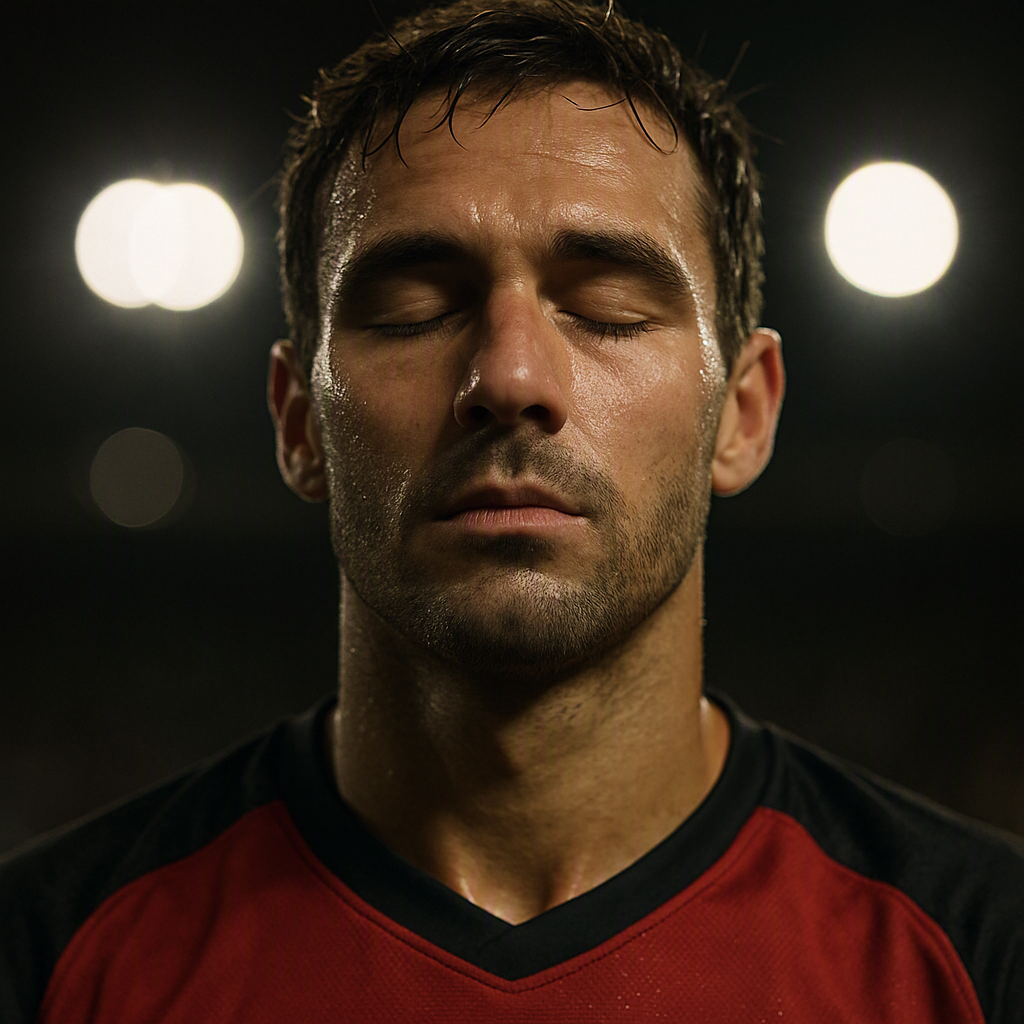
4. Emotional Control = Technical Precision
Technical mistakes often come from emotional mistakes.
A rushed mind creates rushed touches. A panicked mind creates panicked passes. A frustrated mind creates frustrated decisions.
But when a player controls their emotions, their technique improves instantly.
Calmness sharpens accuracy. Calmness improves first touch. Calmness increases creativity. Calmness builds confidence.
The best players aren’t just technically gifted — they’re emotionally disciplined.

5. Training the Skill: How Players Learn to Slow the Game Down
This is where the real transformation happens. Here are the habits that build this skill:
- Scan before receiving Seeing early creates time later.
- Breathe before the ball arrives A calm breath resets the nervous system.
- Play simple first Simplicity builds rhythm; rhythm builds confidence.
- Use your first touch to create space A purposeful touch slows the moment.
- Practice “pause moments” in training Stop, look, decide — then act.
- Train under controlled pressure Pressure becomes familiar instead of frightening.
These habits turn chaos into clarity.
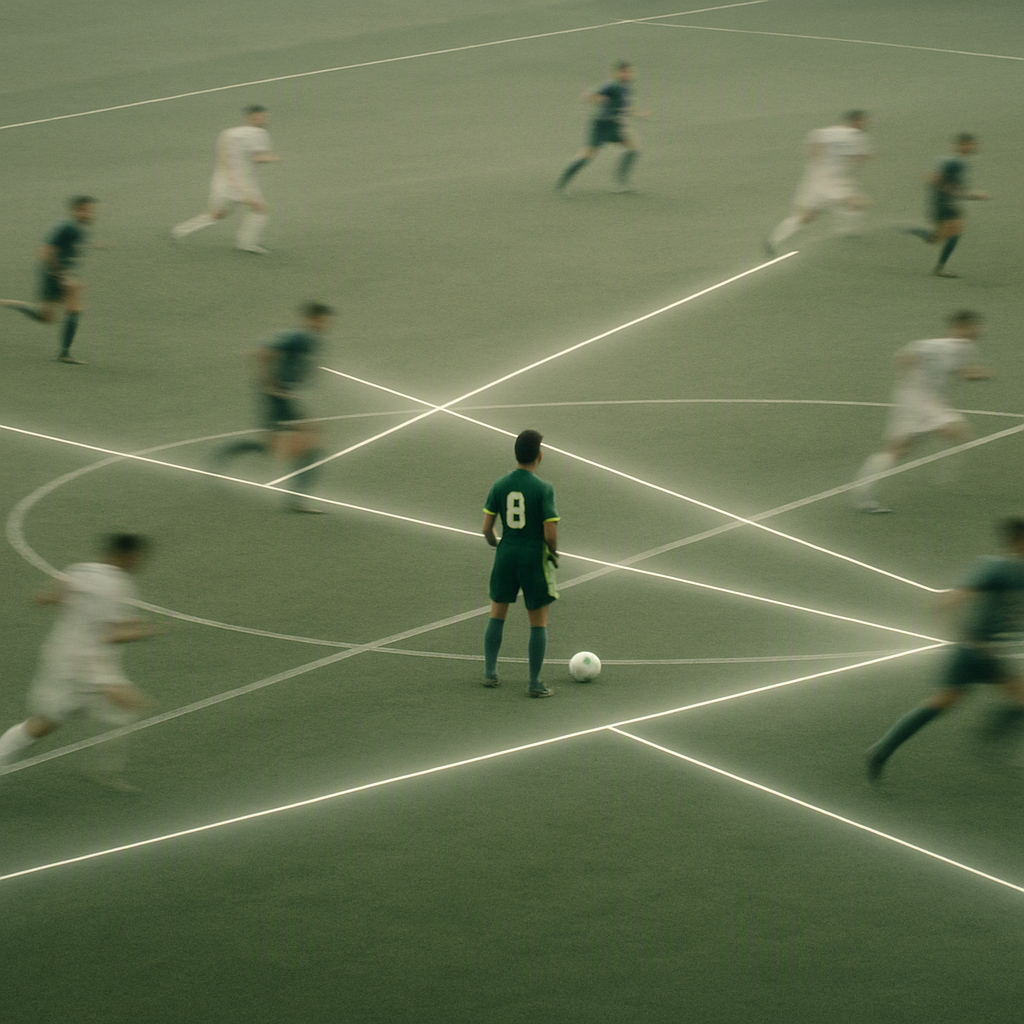
6. Why Coaches Love Players Who Play Slowly
Coaches trust players who stay calm.
They make better decisions. They stabilize the team. They reduce turnovers. They elevate teammates. They become leaders without needing to speak.
A calm player is a coach’s anchor — the one who keeps the team grounded when the game gets wild.
Final Thought: Slow Is Smooth, Smooth Is Fast
The game will always be fast. The pressure will always be real. The moments will always be intense.
But the player who learns to slow the game down — internally — becomes the one who controls it.
They see more. They think clearer. They move smarter. They play freer.
And freedom is where greatness begins.