

How Parents Affect Player Confidence: The Hidden Influence Behind Every Young Player
How Parents Affect Player Confidence: The Hidden Influence Behind Every Young Player
Confidence isn’t built on the field — it’s built at home. Every young soccer player carries an invisible emotional backpack into every practice and game. Inside that backpack is everything they’ve absorbed from their parents: encouragement, pressure, expectations, fear, support, frustration, love.
Most parents don’t realize it, but their influence is the strongest psychological force shaping a child’s performance.
This article breaks down exactly how parents affect player confidence — and how small changes in behavior can transform a child’s mindset on the field.
learn more about the id on the soccer field hereThe Hidden Force
1. The Emotional Mirror: Kids Reflect What Parents Feel
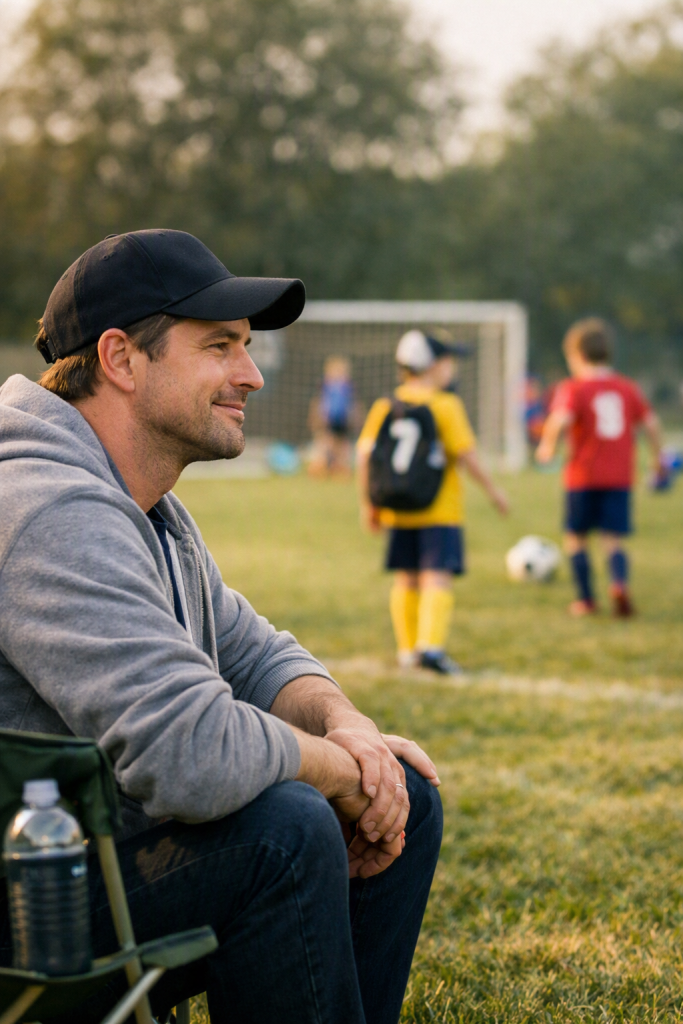
Children read their parents with unbelievable accuracy. If a parent is tense, anxious, disappointed, or overly invested, the child feels it instantly.
Kids translate parental emotion into meaning:
- “Dad looks nervous… maybe I should be nervous too.”
- “Mom is frustrated… I must be messing up.”
- “They’re quiet… I must be doing something wrong.”
A parent’s emotional state becomes the child’s emotional state.
Calm parent = calm player. Anxious parent = anxious player.
2. The Pressure Problem: When Support Turns Into Stress
Most pressure isn’t loud. It’s subtle.
It sounds like:
- “You should’ve scored that.”
- “You’re better than that kid.”
- “Why didn’t you shoot?”
- “We practiced this!”
- “You need to be more aggressive.”
Parents think they’re helping. Kids hear something completely different:
“I’m not good enough.”
Pressure doesn’t make kids stronger — it makes them hesitate, freeze, and fear mistakes.
Learn more about the id on the soccer field hereThe Hidden Force
3. The Confidence Builders: What Parents Can Do Right
Here’s what actually builds confidence:
A. Praise effort, not outcome
Kids need to hear:
- “I love how hard you worked.”
- “You stayed brave even when it was tough.”
- “I’m proud of your attitude today.”
Effort praise builds internal confidence — not performance‑based confidence.
B. Stay emotionally neutral during games
Cheering is great. Coaching from the sideline is not.
Neutral, calm energy helps kids stay focused and unafraid.

C. Ask the right post‑game question
The best question a parent can ask:
“Did you have fun?”
The second best:
“What did you learn today?”
These questions build reflection, not pressure.
D. Separate love from performance
Kids must feel:
“I’m loved the same whether I play well or poorly.”
This is the foundation of long‑term confidence.
Learn more about the id on the soccer field hereThe Hidden Force
4. The Confidence Killers: What Parents Should Avoid
These behaviors quietly destroy confidence:
- Sideline coaching
- Comparing the child to teammates
- Talking about mistakes immediately after the game
- Showing frustration or disappointment
- Living through the child’s performance
- Over-celebrating wins or overreacting to losses
Kids don’t need perfect parents — they need emotionally safe parents.
5. The Post‑Game Window: The Most Important 10 Minutes
The first 10 minutes after a game are the most fragile moment for a young player.
Their brain is flooded with emotion:
- excitement
- embarrassment
- frustration
- pride
- confusion
- fear of judgment
What a parent says in this window can either build confidence or break it.
The golden rule: Keep it light, positive, and simple.
Examples:
- “I loved watching you play.”
- “You worked hard today.”
- “Let’s get some food.”
Save analysis for another day — if the child wants it.

Learn more about the id on the soccer field hereThe Hidden Force
6. The Long-Term Impact: Confidence Beyond Soccer
When parents create a safe emotional environment, kids develop:
- resilience
- courage
- emotional control
- self-belief
- independence
- joy for the game
These traits last far beyond soccer.
Confidence built at home becomes confidence in school, friendships, and life.
Final Takeaway
Parents are the quiet architects of a child’s soccer confidence. Not through drills. Not through pressure. Not through sideline coaching.
But through emotional safety, calm energy, and unconditional support.
When parents get this right, kids play with freedom — and that freedom becomes confidence that lasts.